
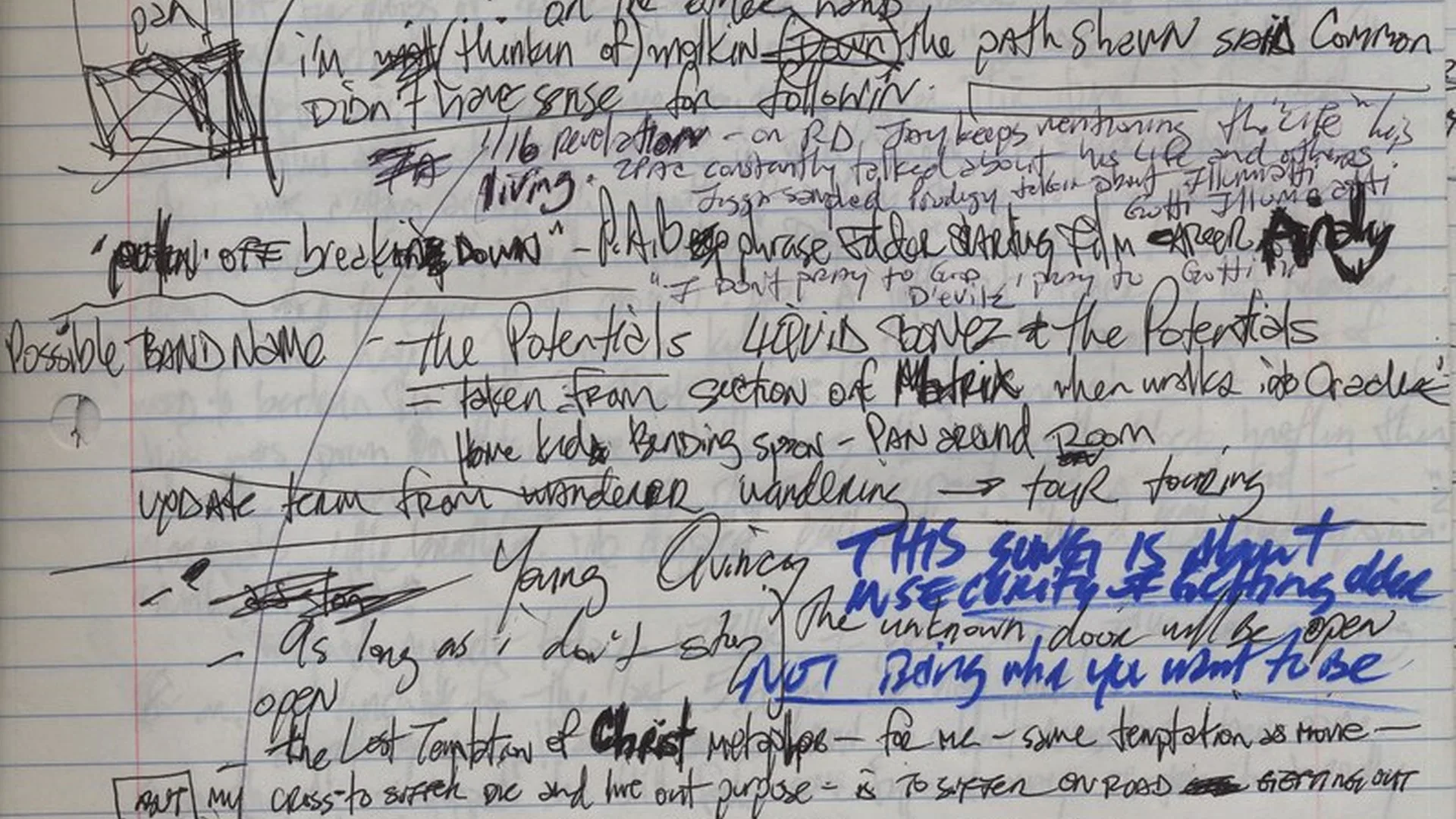
Most people who start journaling do it for the same reason: something happened, and they needed somewhere to put it. Maybe it was a hard week at work, a disagreement with a partner, or just the quiet realization that they had been running on autopilot for months. Whatever the reason, the page ends up holding what a text message or a quick vent to a friend could not.
That instinct is backed by more than a feeling. Journaling has been studied for decades, and while it is not a cure for anything, a consistent body of research points to it as a genuinely useful habit for managing everyday stress and processing difficult emotions.
Why Putting Feelings Into Words Helps
There is a reason "just talk it out" is common advice, and putting feelings into words seems to do something similar, even when no one else is listening. Researchers call this affect labeling: the act of naming an emotion, in writing or out loud, appears to reduce its intensity in the moment. A vague, circling worry about work becomes something more specific and manageable once it is written down as a sentence.
This is part of why a journal entry can feel like relief even before you have solved anything. You have not fixed the problem. You have moved it from a loop in your head to a fixed point on a page, where it is easier to look at directly.
You Don't Need to Write Well
One of the biggest things that stops people from starting is the idea that journaling has to sound like something. It does not. No one is grading your entries, and no one else needs to read them. The version of journaling that helps most is not polished writing, it is honest writing.
Some of the most useful entries are short and unglamorous: "Today was fine, but I'm dreading tomorrow's meeting." "I don't know why I'm irritated, but I am." "I'm proud of myself for finishing that project, even though it wasn't perfect." None of that needs to be well-written to be worth writing down.
A Practice, Not a Performance
It helps to think of journaling less like an assignment and more like brushing your teeth: a small, unglamorous habit you keep because of how it adds up, not because any single session is impressive. Some entries will be a few rushed sentences before bed. Others might run two pages. Both count.
This matters because the moment journaling starts to feel like a performance, something to do "correctly" or show off, people tend to quit. The entries that matter most are usually the ones no one would want to read out loud.
How to Start Without Overthinking It
If you have never journaled before, the easiest way to start is not with a blank page and the instruction to "write about your day." That is too open-ended, and it is exactly the kind of prompt that leads to five minutes of staring and zero sentences.
Start with a specific question instead. "What's one thing that went well today?" or "What's been taking up space in my head that doesn't need to be there?" gives you a doorway into writing instead of an empty room. Set a timer for five minutes, write until it goes off, and stop. You can always write longer once the habit feels steady. You do not need to build the habit and the stamina at the same time.
What to Expect in the First Month
The first week or two usually feels a little awkward. You might not know what to say, or you might write the same few sentences a handful of times. That is normal, and it is not a sign you are doing it wrong.
Somewhere around the second or third week, most people notice a shift: entries start coming more easily, and journaling stops feeling like a task and starts feeling like a habit they would miss if they skipped it. By the end of the first month, many people find they have built a small, private record of what an ordinary stretch of their life actually looked like, which turns out to be worth more than it sounds.
A Small Habit Worth Keeping
Journaling is not a replacement for therapy or medical care, but a growing body of research points to it as a useful, low-cost addition to both. If you are already working with a therapist, a regular journaling habit can give you more to bring into your sessions. If you are not, it can still be a private, judgment-free place to put down what has been sitting on your chest.
You do not need a special notebook, a morning routine, or forty-five minutes of free time. You need five minutes, one honest sentence, and a prompt that gets you started. That is the whole practice.